Finding the Ideal Painting Contractor: Advice for a Flawless Result
Selecting a paint contractor can significantly affect the end result of a project. It demands careful consideration of multiple considerations, such as communication skills, experience, and references. A properly organized approach ensures clarity and minimizes potential issues. Recognizing what to prioritize is important. With the proper information, homeowners can make informed choices that lead to a satisfying painting outcome. The following segments will outline essential tips and approaches to handle this process successfully.
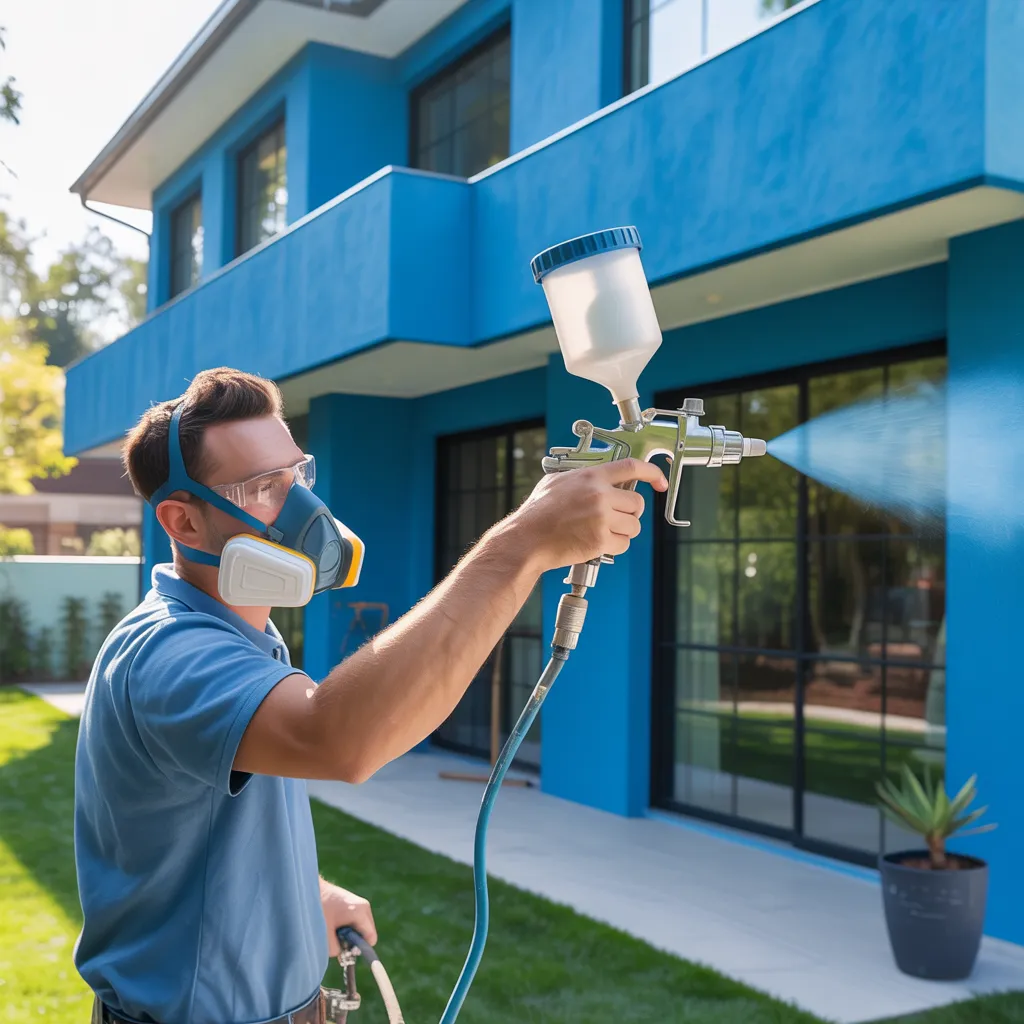
How to Judge a Painting Contractor's Experience
When assessing a paint contractor's expertise, how can one discern the genuinely skilled from the less qualified? Essential signs include the professional's years in business and their portfolio of completed projects. A seasoned contractor usually maintains a broad portfolio, highlighting different methods and approaches, which demonstrates flexibility and proficiency. Moreover, understanding the types of projects they focus on—residential, commercial, or both—can offer a glimpse of their level of skill.
An additional crucial factor is the contractor's commitment to ongoing education and training. A commitment to staying updated with evolving industry methods and standards reflects a professional attitude. Seeking out certifications or memberships in established industry associations can help substantiate their qualifications. At its core, a complete evaluation involves not just the years in business, but also the range and caliber of completed projects, confirming the contractor has the capability to fulfill particular project demands effectively.
What You Should Look for in References and Reviews
When reviewing client reviews and references, it is crucial to look for consistency in the caliber of work reported by previous clients. Such consistency can signal trustworthiness and professional standards. Moreover, reviewing the professional's communication approach via client feedback can offer valuable information about their ability to respond and engage.
Check Consistency in Quality
Evaluating references and reviews is crucial for identifying a paint contractor's quality consistency. Future clients should concentrate on patterns in feedback rather than individual remarks. Seek out consistent patterns in feedback—high praise for meticulous workmanship, timeliness, and overall workmanship suggest reliability. Additionally, take into account the volume of feedback; a contractor with a significant number of steady favorable testimonials is generally more trustworthy than one with only a few testimonials. Take note of any critical comments, especially those noting inadequate communication or unfinished projects. Finally, ask for references directly from the contractor and follow up with past clients to gain firsthand insights into their experiences. This detailed process ensures that the selected contractor will produce a satisfactory finished product.
Assess Communication Style
How well does a painting contractor communicate with clients? This aspect is essential when considering potential candidates. Customers should request references that showcase the contractor's attentiveness and precision in communications. References might show whether the contractor readily handles questions and concerns, indicating a commitment to customer satisfaction. Also, assess the contractor's skill in communicating workflows and timeframes effectively. A good communicator will guarantee that clients are well-informed throughout the project. Seek reviews that reference detailed and accurate cost projectionsand openness regarding supplies and expenses. At its core, clear communication establishes trust and leads to a more efficient project experience, making it an essential consideration when choosing the ideal painting professional.
Key Aspects to Discuss When Hiring a Contractor
What key elements should someone keep in mind when selecting a painting contractor? To begin, confirm the contractor's qualifications, such as licenses and insurance, to ensure authenticity and safeguard against potential liabilities. Next, evaluate their experience and expertise by asking for references and reviewing past projects. This process enables you to assess the standard of their craftsmanship and overall trustworthiness.
It is equally important to go over the types of materials and techniques they plan to use, as this impacts the appearance and durability of the finished project. In addition, find out about the expected project schedule, as having clear expectations can prevent potential misunderstandings.
Clear communication is vital; verify the contractor is available and receptive to inquiries. Discuss warranties or guarantees on their work, as this provides assurance of quality. Finally, clarify the contract details, making certain all aspects of the project, including start and completion dates, are clearly outlined in writing. These conversations set the stage for a positive and successful painting experience.
Establishing a Practical Budget for Your Project
Establishing a practical budget for a painting project starts with defining the project scope, which outlines the specific areas to be painted. When the scope is clearly outlined, it is important to factor in material costs, such as paint and painting supplies, as well as labor costs associated with the contractor's work. This comprehensive method ensures that homeowners are able to distribute their resources wisely while steering clear of unanticipated financial challenges.
Determine Project Scope First
Establishing the project boundaries is vital for a productive painting venture. This foundational step involves thoroughly establishing the sections requiring paint, the kinds of finishes required, and any necessary preparatory work. By defining these parameters, homeowners can better understand the complete demands of the job, leading to better cost assessments. A clearly established scope helps reduce unanticipated adjustments and added charges during the execution of the work. Moreover, it allows for clear dialogue with interested professionals, ensuring that everyone is in agreement on desired outcomes. Taking the time to define parameters at the outset can significantly improve the outcome, fostering a more organized approach and a more relevant resource pleasing final result. Prioritizing this step lays the foundation for a professionally completed painting job.
Include Material Costs
In establishing the full financial plan for a paint job, home improvement planners must thoroughly consider material expenditures to secure financial viability. This includes the expense of paint, primers, application brushes, rolling applicators, and other necessary items such as drop cloths and painter's tape. One must opt for superior materials, as they directly impact the strength and visual appeal of the completed project. Renovators should explore different brands and assess their price points to achieve an equilibrium between quality and expense. In addition, accounting for the complete surface area requiring paint will prove useful in gauging the necessary quantity of supplies, eliminating surprise expenditures. Planning for contingencies, such as additional paint for corrections, can also contribute to a more accurate budget.
Include Labor Expenses
Careful financial planning for a paint job requires thorough evaluation of labor expenses, which can greatly influence the total expense. Labor commonly represents a significant portion of the overall expenditure, so securing comprehensive quotes from contractors is vital. Professionals may charge by the hour or provide a flat rate based on the nature of the project. It is advisable to ask regarding the size of the crew and the projected timeline, as such considerations can affect labor costs. Moreover, appreciating the professional's expertise and qualifications can help justify their rates. By including workforce costs into the cost estimate, homeowners can prevent unforeseen expenses and ensure more efficient project management, culminating in a flawless finish.
What Questions Ought You to Ask Prior to Signing?
What important questions should homeowners ask before committing to a contract with a painting contractor? To begin, they should find out about the contractor's background and references. Understanding their previous work can provide insight into the professionalism and quality of the contractor. Homeowners should also ask about the types of materials and paint brands chosen, as this impacts the durability and finish of the project. In addition, discussing the project timeline is vital; understanding the start date and anticipated completion can help in planning. Homeowners should confirm the payment terms, including deposit requirements and final payment expectations. Finally, it's essential to inquire about warranties covering both workmanship and materials. These inquiries ensure homeowners choose a contractor who meets their needs and expectations, paving the way for a successful paint project.
How to Ensure a Smooth Painting Process With Your Contractor
Establishing clear communication is vital for securing a smooth painting process with a painting contractor. Clients should clearly express their expectations regarding scheduling, color choices, and detailed project specifications. Frequent communication can aid in managing any emerging concerns and keep the project on track.
Proper preparation is also essential. Homeowners should confirm the work area is accessible and free of obstacles. This helps the contractor work without interruption and reduces the likelihood of delays.
Moreover, it is wise to prepare a written agreement that details the extent of work, payment plan, and completion timeline. This document functions as a guiding document for all involved parties, reducing miscommunication.
Ultimately, nurturing a positive rapport encourages teamwork. Homeowners ought to acknowledge the contractor's hard work, fostering a productive working atmosphere. By observing these principles, property owners can support a streamlined painting project, ultimately achieving a polished and refined result.
Frequently Asked Questions
What Is the Expected Duration of the Painting Project?
The duration of a painting project usually extends from a few days to several weeks, influenced by factors such as the dimensions of the area, complexity of the work, and surrounding conditions affecting the overall timeline.
What Type of Paint Do You Recommend for My Project?
For the finest results, a premium, long-lasting acrylic latex paint is the ideal choice. This type offers excellent coverage, easy application, and long-lasting finish, making it ideal for both interior and exterior projects, resulting in a refined and professional aesthetic.
Do You Provide Warranties on Your Work?
Yes, many reputable painting contractors include service warranties on their work. These warranties usually encompass both labor and materials, guaranteeing that customers receive excellent service and protection against unforeseen concerns that might develop after the project's completion.
How Do You Manage Unexpected Problems During the Project?
The contractor handles unforeseen challenges by swiftly analyzing the situation, engaging honestly with the client, and proposing solutions. This preventative strategy ensures limited interference and preserves scheduled deadlines while securing client satisfaction throughout the process.
Can I See a Portfolio of Your Previous Work?
The contractor willingly shared a portfolio highlighting a variety of projects, highlighting quality craftsmanship and attention to detail. Each completed job illustrated their skill, permitting interested clients to gauge their approach and suitability for planned painting ventures.